Ngemplak Simongan, January 18, 2026 – High household electricity consumption is often caused by overheated indoor spaces and underutilization of natural lighting and ventilation. In tropical climates like Indonesia, poorly designed or inadequately managed homes tend to rely heavily on fans and air conditioners, leading to increased electricity costs and reduced indoor comfort.
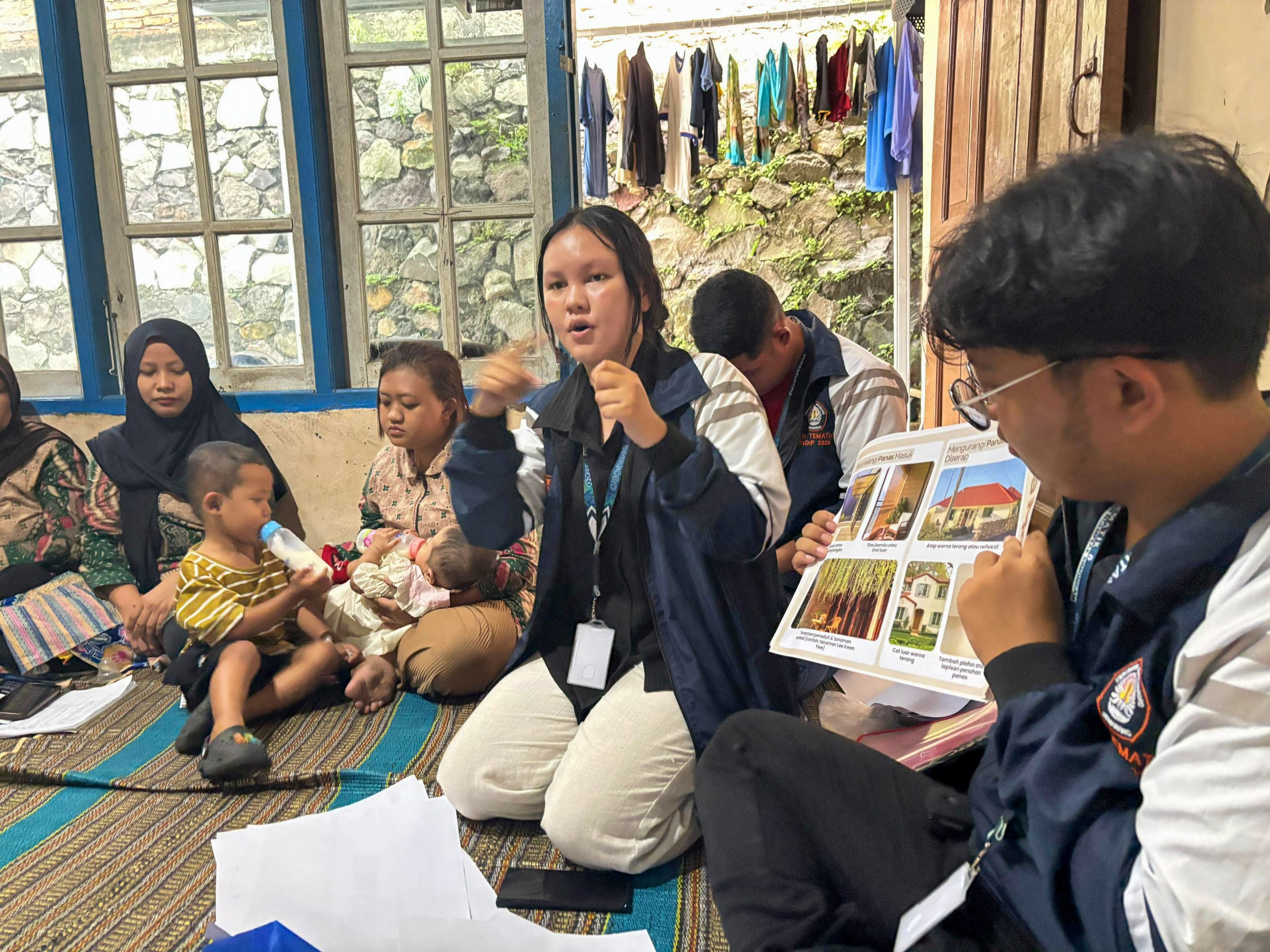
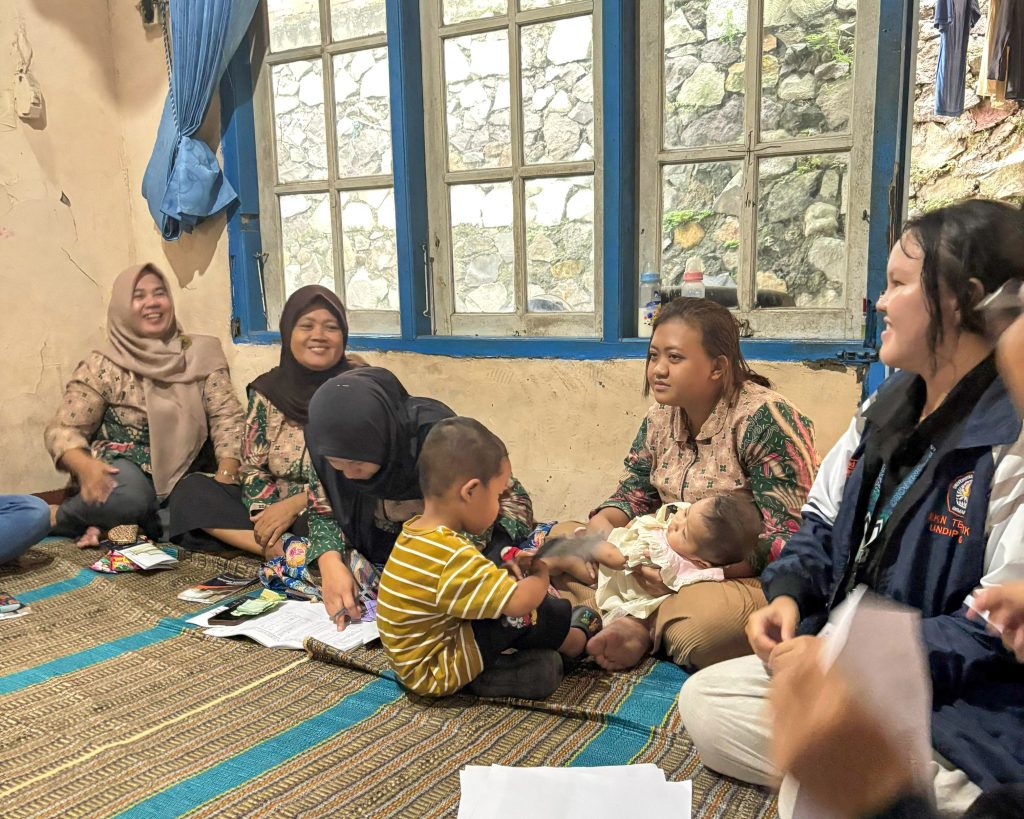
To raise community awareness about energy efficiency in residential settings, KKN-T Team 8 from Universitas Diponegoro organized an educational session on energy-efficient residential practices in Ngemplak Simongan, West Semarang. The event took place on Saturday, January 18, 2026, in conjunction with the Dasa Wisma gathering and the monthly meeting of the women’s group from RT 08 RW 02.
The session aimed to educate residents on the primary causes of indoor heat and introduce simple, practical strategies for reducing heat and electricity use without the need for major renovations. Topics included enhancing cross ventilation by opening windows, adding ventilation openings or vents, using light-colored walls and roofs, installing thin curtains, applying simple shading techniques, and incorporating shade-providing plants or climbing vegetation around the house.
In addition, the KKN students, from the Architecture and Civil Engineering departments, shared everyday habits that promote energy efficiency. These included turning off lights when rooms are empty, opening windows during the morning and daytime, regulating the use of fans or air conditioners, and reusing water from air conditioners or household washing to water plants.
The participants showed great enthusiasm throughout the session, as reflected in their active discussions and positive responses. Many found the suggested practices relatable to their daily lives and easy to apply at home. Several participants also realized that some of the practices they were already implementing contributed to improving indoor comfort and reducing energy consumption.
Through this activity, it is hoped that the residents of Ngemplak Simongan will become more conscious of the importance of managing their homes in an energy-efficient manner. This will lead to more comfortable, healthy, and energy-efficient living spaces, while also supporting environmental sustainability