Ngemplak Simongan Village, West Semarang (January 25, 2026) — Malnutrition and a lack of understanding about balanced meal portions continue to be public health concerns, particularly among children in their growth phase. Health issues such as stunting and nutritional deficiencies can hinder physical and intellectual development if diets are not properly managed. Therefore, education about healthy eating patterns and balanced nutrition, in line with the “Isi Piringku” (My Plate) concept, needs to be introduced from an early age.
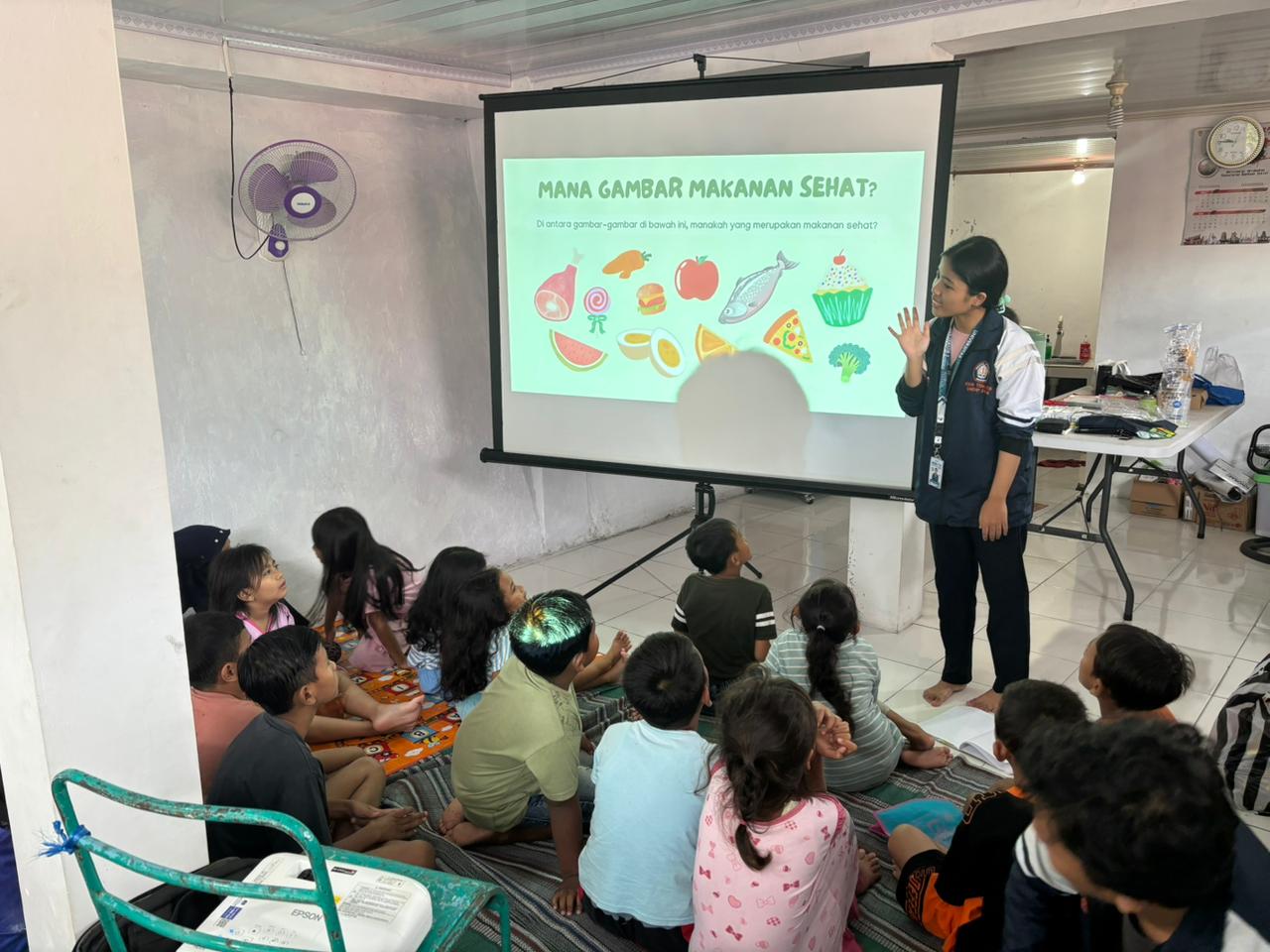
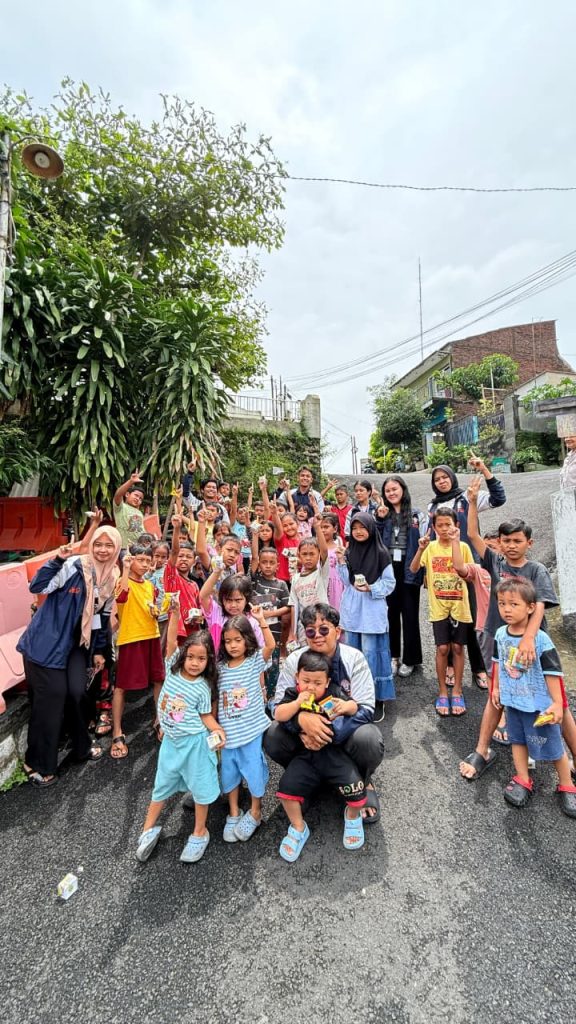
Yunita Madani Panjaitan, a student from the 2025/2026 Community Service Program (KKN-T) at Diponegoro University, who is majoring in Public Health, served as the main speaker for this event. Supported by students from other departments, including Architecture, Civil Engineering, Mechanical Engineering, Pharmacy, Mathematics, and Public Health, she led an educational program on balanced nutrition based on the “Isi Piringku” concept for children in RW 02, Ngemplak Simongan Village, West Semarang, on Sunday, January 25, 2026. This program demonstrates the students’ commitment to raising early nutritional awareness and aims to increase knowledge while instilling the habit of consuming a balanced, nutritious diet for long-term health maintenance.
The series of activities began with a presentation on meal portion sizes and the benefits of each component for the body, based on the “Isi Piringku” concept, which the Indonesian Ministry of Health recommends. This concept consists of one-third staple foods, one-third vegetables, one-sixth protein-rich side dishes, and one-sixth fruits. The presentation was interactive and visual, making it easy to understand and engaging for the children, turning the learning experience into a fun and enjoyable activity.
The event included pre- and post-test sessions, presented as engaging quizzes, to measure the effectiveness of the program. Students also provided prizes for active participants as a token of appreciation and to motivate the children to be more enthusiastic about the material. Abrar, a child from RW 02, shared his excitement about participating in the activity: “The learning activity was really fun and helpful, especially since it was free and there was no charge. We felt happy and now understand better why we should eat healthy food according to the portions you explained earlier. I hope there will be more activities like this in the future, as they are very useful for us children and will help us become smart and successful in the future.”
Through this initiative, it is hoped that the children in Ngemplak Simongan Village will adopt healthier eating habits, growing into intelligent and productive individuals. This activity also reflects the spirit of collaboration between academics and the community in building awareness that consuming nutritious food is not complicated, but rather a simple habit that can be applied at home.